
Soil health and science were in the spotlight for Danish students last autumn, with the Mass Experiment – one of the largest coordinated student science projects in the world. Around 30,000 students from 498 schools across Denmark took part in the project, which merged large-scale citizen science with cutting-edge soil research.
Students from both primary and secondary schools explored soil quality and biodiversity, learning more about soil health and science in the process. They found out how to collect samples from 10cm and 40cm depths, which were then used to help further research into soil contamination and microbial activity. Supporting nationwide data collection showed them how local observations contribute to broader scientific knowledge.
Standardised guidelines for quality control
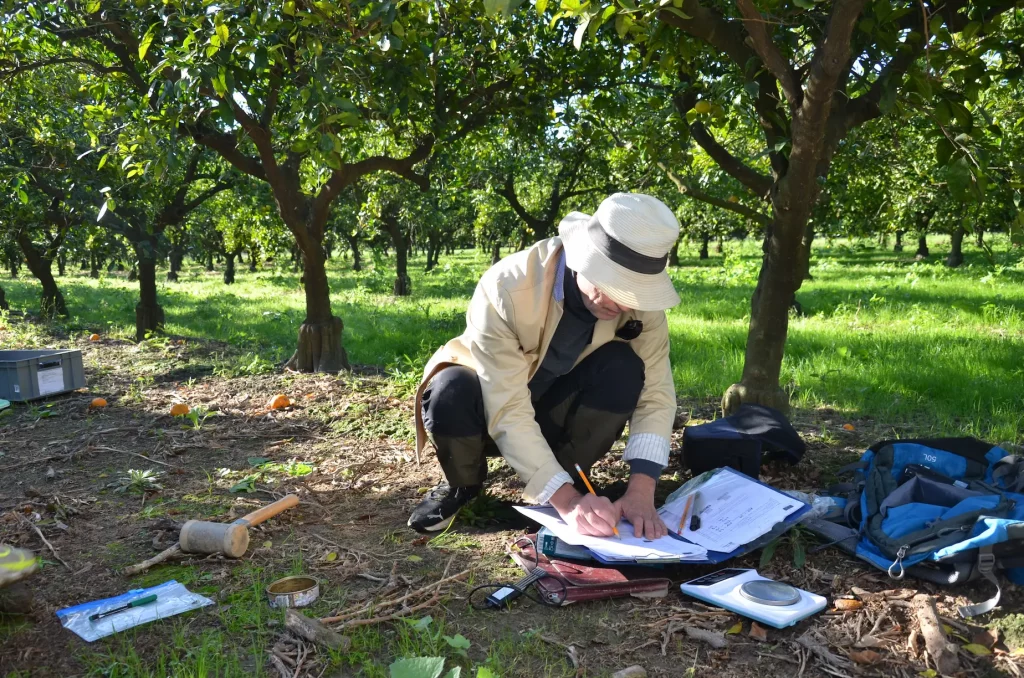
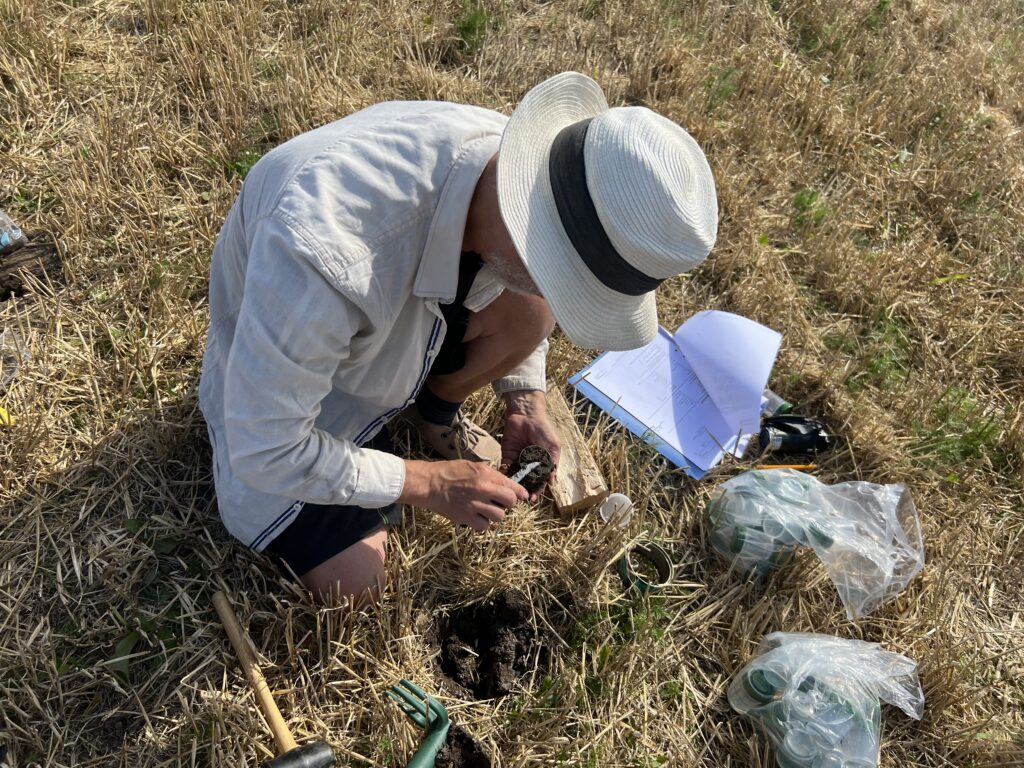
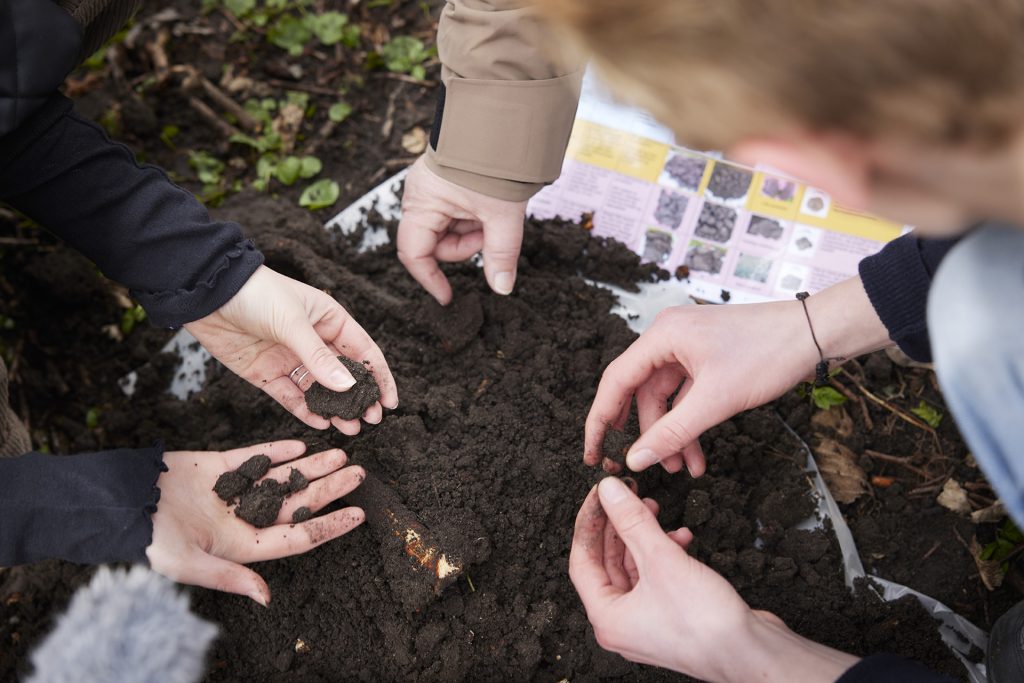
The groups of students used a variety of natural scientific methods in the experiment. They conducted fieldwork in and around their schools, using standardised experiment kits, video instructions and educational guides, to ensure consistent data collection across the Danish sites. They were also given thorough instructions about how to describe sampling sites – for example, agricultural, coastal, urban, a forest or a school site. Students were supported to record plant cover, dig soil profiles, and to record layer colour and thickness using a standardised chart. Groups at every site also counted earthworms in a standard soil block.
Students conducted a simplified Visual Evaluation of Soil Structure (VESS) test, estimated soil texture with a simplified mason jar test, determined pH, and estimated the degree of soil water repellency for samples collected at 10cm and 40cm depths. Extra samples taken from these depths were sent to research facilities at Aarhus University, Aalborg University and the Technical University of Denmark. These samples were then analysed for soil phys-ical and chemical properties, non-target chemical compounds and environmental DNA (eDNA), respectively.
Contributing to wider scientific applications
Results were shared with students, and it was emphasised that the data they’d gathered could inform broader scientific applications. For example, their color classifications of agricultural soils correlated with the measured levels of organic carbon. Likewise, students found the highest pH levels on and around school sites, compared to a wide variation in soil pH from the forest samples, all in agreement with what was found at the research institutions. In addition, students’ earthworm counts closely aligned with earlier studies of earthworm densities in Denmark, and the forest soil samples showed a higher microbial diversity than agricultural soils.
In total, over 100 synthetic chemical compounds were detected across the samples, with all samples showing some level of contamination. Typically, the compounds were from industry, pesticides from agriculture, per- and polyfluoroalkyl substances and drug residues (perfluorooctane sulfonate, flame retardants, fungicides and pain medication), some of which have been phased out in Denmark for the past 30 years.
Supporting the Soil Monitoring Directive
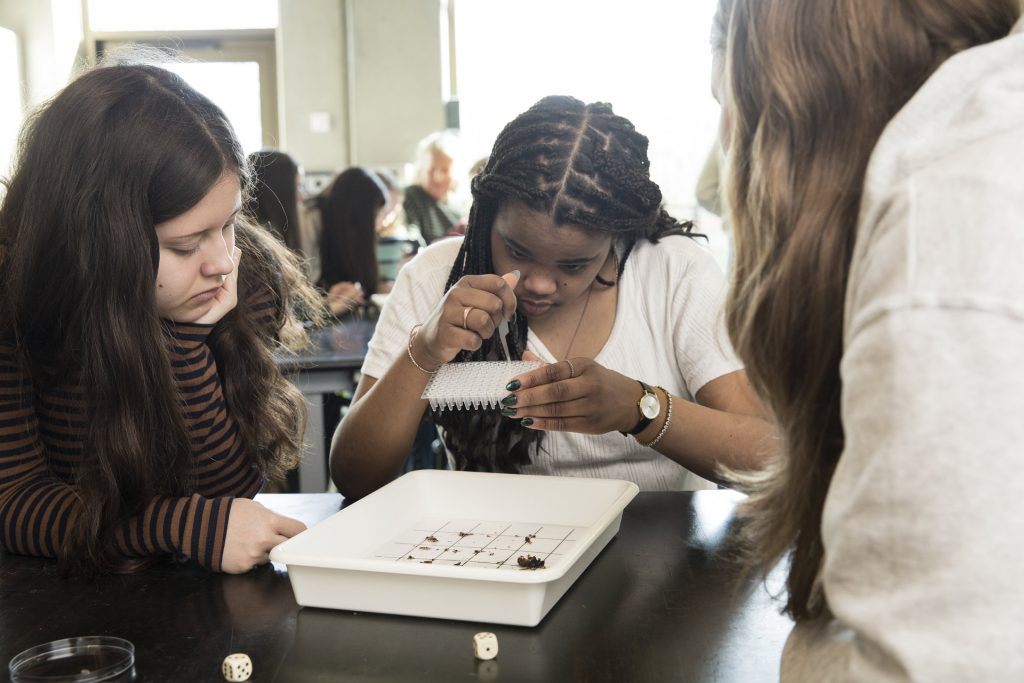
The project produced extensive datasets that are vital for supporting scientific analysis of Denmark’s soils, thanks to the large number of students and schools involved. Notably, the dataset is particularly unique as it combines site observations, soil structural and biodiversity indices, microbial activity and contamination levels from around 1,000 samples collected across Denmark. This supports the implementation of the new Soil Monitoring Directive, providing contamination levels and soil quality indices that could serve as benchmark values for Danish soils.
This project gives a strong foundation for identifying key drivers and new correlations of soil health, by combining soil chemical and physical parameters with contamination levels and microbial community data from the same samples across so many different locations. Over time, this could help establish new indicator values that could be used within the framework of the Soil Monitoring Directive.
Engaging the next generation
The Mass Experiment was a powerful way to engage citizens who might not be involved in research. Students were given clear, age-appropriate guidelines, standardised protocols and supervision, to produce quality data of scientific value. The project served to raise awareness of soil science and health among the next generation.
Image credits
Feature image and image one Thomas Evaldsen for Astra, image three Ty Strange for Astra.